
OPEN Military Policy & Stories Projects
Non-Monogamy, Chosen Family, and Military Service
Military Stories Project

OPEN’s “Military Stories Project” gathers experiences to better understand how military policies, culture, and legal frameworks affect service members, veterans, military spouses, and their families, including ENM partners.
For generations, military families have built strong networks of support that often extend beyond traditional household structures. Yet many service members and veterans who practice consensual non-monogamy, rely on chosen family, or maintain other forms of relationship diversity continue to face stigma, discrimination, and legal uncertainty.
The UCMJ prosecution of non-monogamous service members for “Extramarital Sexual Conduct” as noted above is a key case in point.
OPEN believes that relationship diversity deserves visibility, dignity, and protection. Through this project, we hope to better understand how military policies and cultural attitudes affect service members and their families and work toward relationship equality for the non-monogamous
Your stories can:
Inform future advocacy and public education efforts.
Support research and policy development.
Educate by highlighting the experiences of military-affiliated people in relationship-diverse communities.
Advance conversations about chosen family recognition and equitable treatment.
Build a stronger understanding of how military policies affect family stability, readiness, and well-being.
Whether your experience was positive, negative, or somewhere in between, your story matters.
As the Uniform Code of Military Justice (UCMJ) is currently applied, married members of the Armed Forces can be criminally prosecuted for “Extramarital Sexual Conduct” even if they are in a fully open, honest, ethical non-monogamous relationship and their spouse is completely on board. Punishment can include a year in prison and a dishonorable discharge!
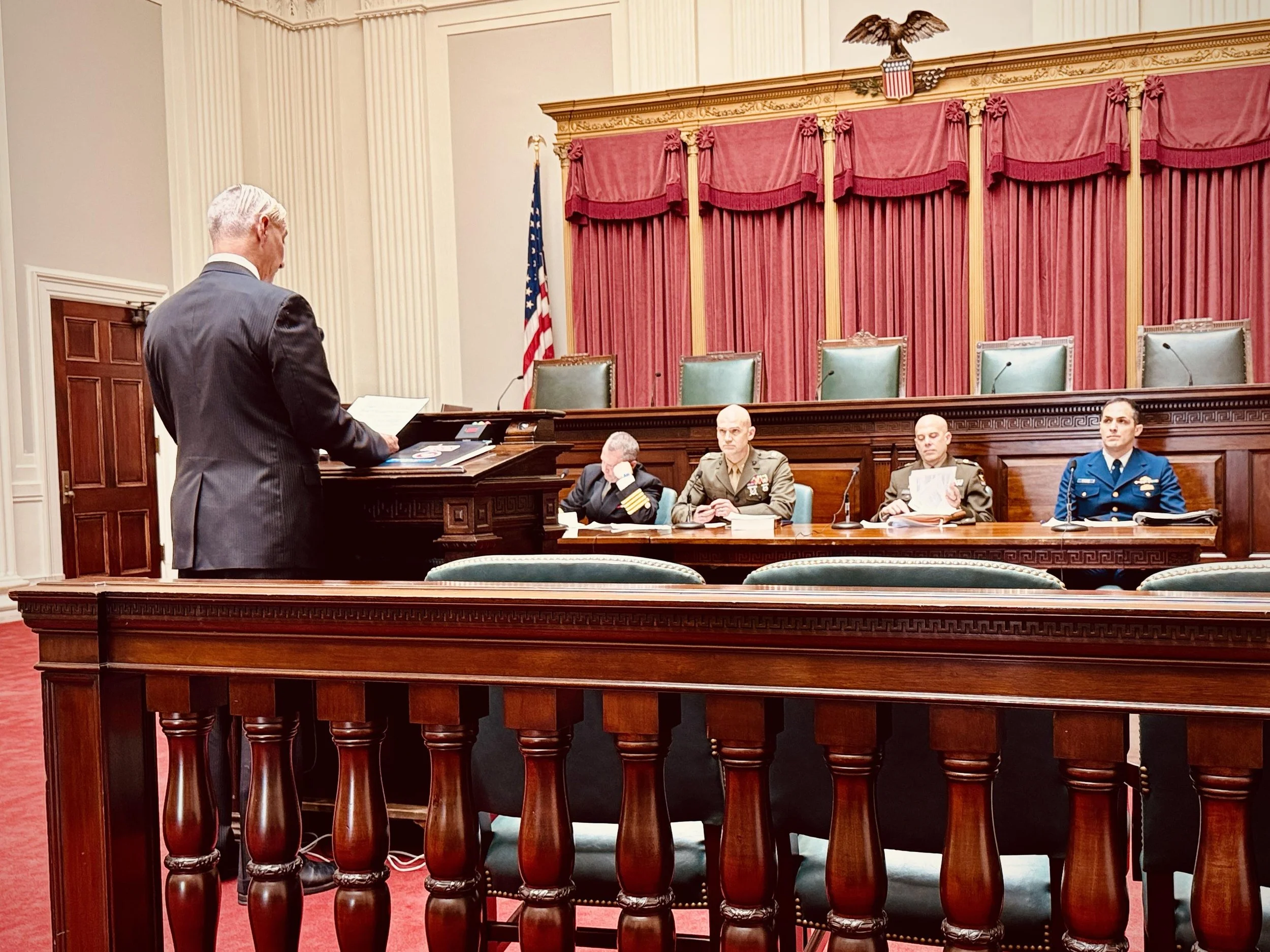
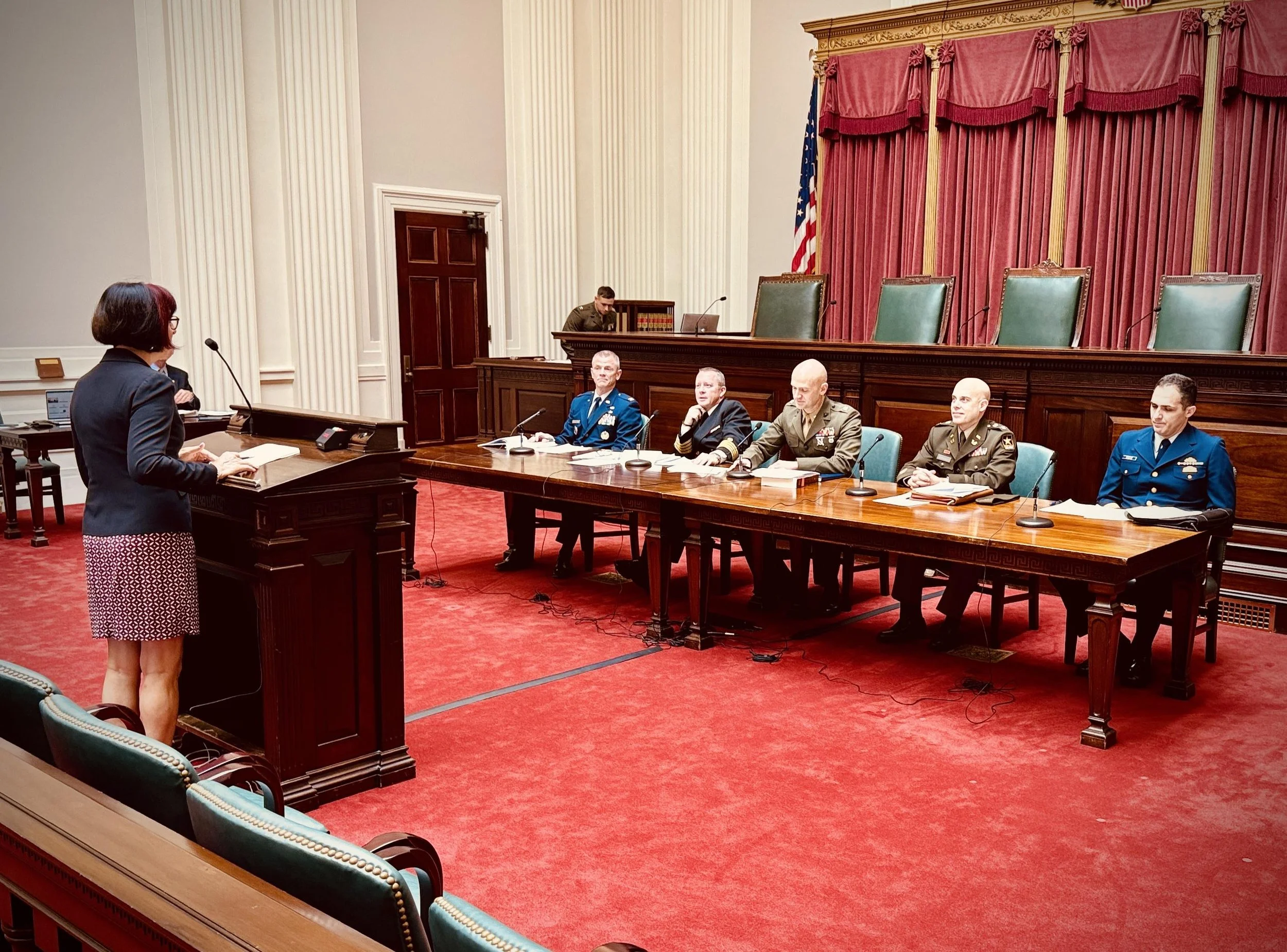
On Tuesday, October 20, 2026 OPEN staff met publicly with the Pentagon’s “Joint Service Committee on Military Justice” and presented them with a formal proposal to change this. We urge the Pentagon to include a formal consideration of spousal consent in examining such cases.
The Committee gracefully received our proposal, was attentive as we articulated our rationale for advocating it, asked insightful questions, understood our answers, and genuinely engaged us in a meaningful dialogue about the issue.
Now is the chance for other voices to be heard.
Between now and December 14, the Committee is receiving public comments about our proposal. If you have been impacted by the current military policy and law concerning the practice of non-monogamy by married service members, please consider sharing your views and experiences with the committee. Input from veterans, current service members, family members, partners and attorneys are particularly relevant. Public comments can be submitted here as an individual, an organization, or anonymous. Please do so before December 14.
Legalize Military
Non-monogamy